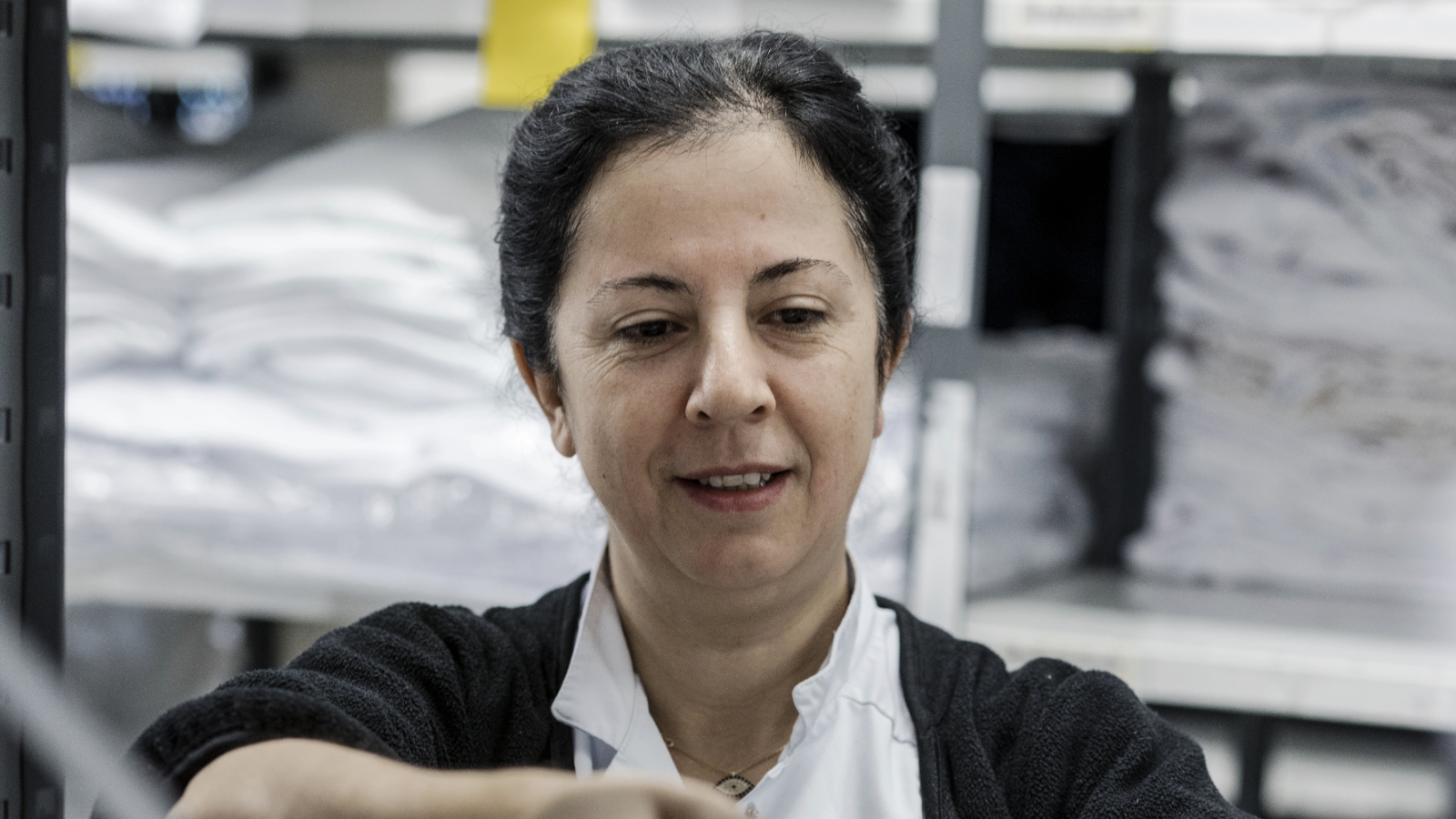
Women generally have lower labour market participation than men. Among migrants, participation is even lower. But does this mean that migrant women face a double disadvantage in the Nordic labour market? A new report from Integration Norden and Nordregio shows that the answer is not straightforward.
The report compares the labour market situation of migrant women in Sweden, Denmark, Norway and Finland. The findings show that many of the barriers faced by migrant women are also experienced by migrant men from the same regions of origin. In particular, people from Africa and the Middle East have lower employment rates and occupational status than native-born workers.
At the same time, migrant women have lower employment rates than native-born women in all four countries. The gaps are largest among women from Africa and the Middle East.
The main challenge therefore appears to be gaining access to employment, rather than part-time work or the type of employment contract.
The report does not support the idea that migrant women generally face a double disadvantage due to both gender and migrant background. However, there are clear patterns of double disadvantage for certain groups and labour market outcomes.
This also means that migrants cannot be treated as a homogeneous group. Women from different parts of the world face different conditions in the Nordic labour market.
Publicerad
09 Nov 2026