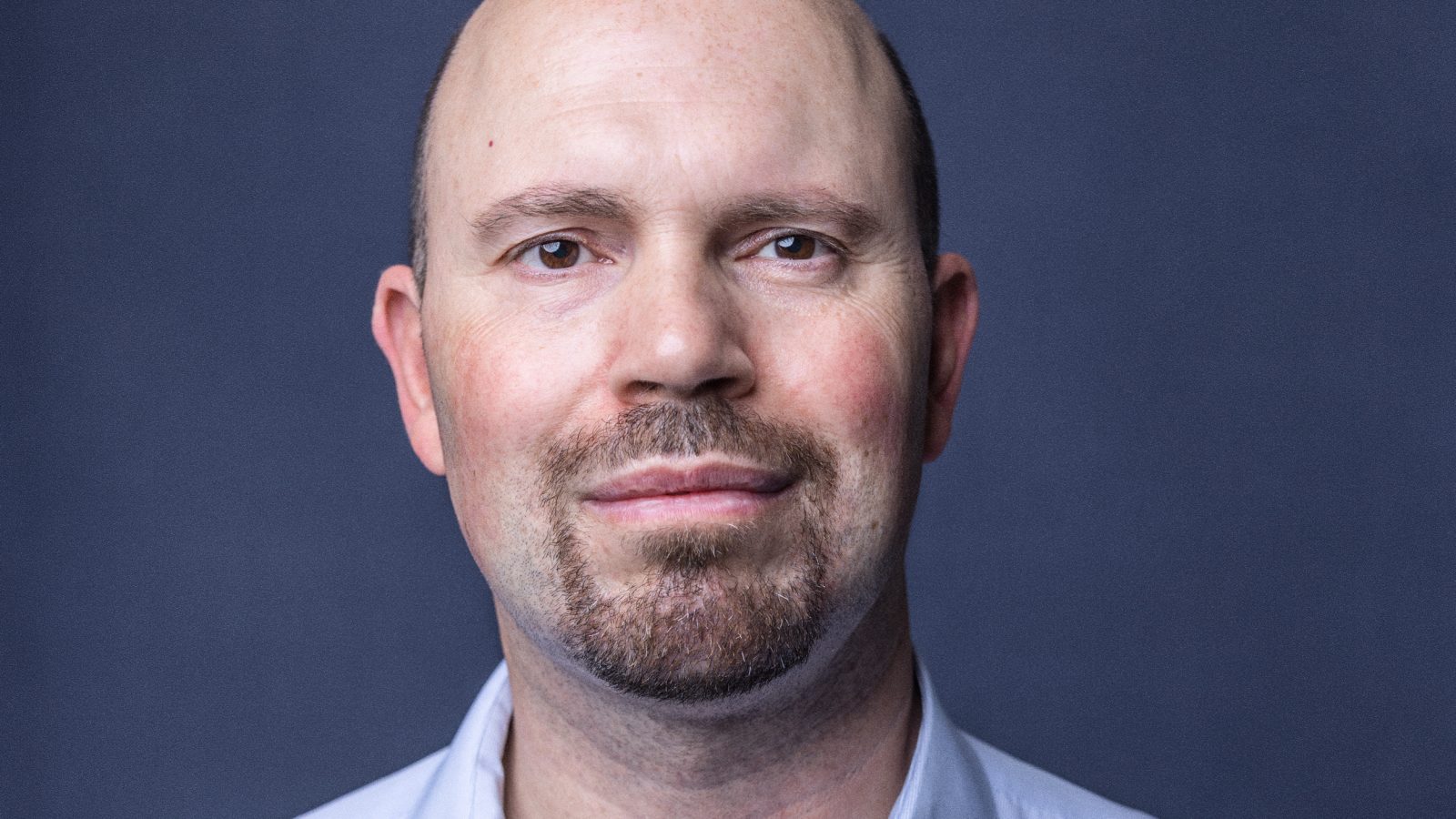
Integration policy should be a mutual process. Political scientist Ioannis Chatzopoulos advocates for a shared vision of integration that embraces diversity, supports equal opportunity, and empowers migrants to actively shape society rather than just adapt to it.
The Sportvision 2012 conference proved to be a life-changing event for Ioannis Chatzopoulos. Inspired by lectures on Danish municipal sporting projects, he made a series of decisions that prompted him to leave Greece and move to Denmark after doing a PhD on sport, migration and integration. Today, he works as an independent advisor for NGOs involved with sports initiatives for immigrant youth in Copenhagen.
– Sport can play a significant role in the integration of migrant youth by combining social inclusion, personal development, and civic engagement. Well-designed sports programmes can support a two-way approach to integration that emphasises equality, participation, and mutual adaptation.
The effectiveness of these programmes relies on several factors, including the coaches’ intercultural competence, inclusive club structures, and strong partnerships with schools, social services, and local authorities that link the programmes to broader educational and social support.
– Successful projects typically focus not only on athletic performance but also on broader life skills, such as teamwork within mixed-gender and mixed-ethnicity teams, communication, confidence, and personal development, Chatzopoulos says.
Integration policies lack alignment across government levels
Successful integration through sports closely mirrors successful integration in general. As a member of the Nordic Migrant Expert Forum, Ioannis Chatzopoulos advocates for a shared Nordic perspective on integration that emphasises participation, belonging, and the capacity of all individuals to thrive while maintaining their cultural identity.
At the national level, Chatzopoulos highlights notable contradictions in the implementation of integration. Without a common vision, integration policies across the Nordic countries may become fragmented, counterproductive or even in conflict with one another.
The central government tends to adopt an assimilationist approach, while local authorities often pursue more multicultural strategies. For example, governments may promote labour market participation while simultaneously maintaining strict residency regulations that create uncertainty about long-term stability.
Since the 2015 refugee crisis, Nordic integration policies have gradually placed more emphasis on responsibilities and self-sufficiency. Chatzopoulos states that Nordic policies in general focus heavily on structural factors such as employment, education, and language training.
– While these elements are important, social dimensions such as representation, trust, and participation in public life often receive less attention. As a result, migrants may gain access to welfare services and education but still face difficulties achieving a strong sense of social inclusion and belonging.
Broadening the scope of integration and addressing structural problems
To balance the focus on structural factors with social factors like representation and trust, Chatzopoulos advocates for broadening the indicators governments employ to measure integration.
Alongside economic outcomes, policies should also monitor aspects of social cohesion, such as experiences of discrimination, levels of intergroup trust, civic and political participation, and migrants’ sense of belonging. Increasing political and institutional representation is equally essential for enhancing social integration.
At the same time, structural reforms are also needed, such as enhancing migrants’ access to the labour market. Chatzopoulos highligts the need for the Nordics to implement stronger measures against discrimination in hiring practices and enforce anti-discrimination laws more strictly, Chatzopoulos argues.
– These measures could improve migrant integration, boost economic participation, and make better use of human capital in the region. Integration policies should also focus more on participation and representation, allowing migrants to become more actively involved in civic and political life.
Another important step towards more inclusive integration policies, Chatzopoulos argues, would be to address housing and school segregation, particularly in Copenhagen, Stockholm, and Oslo. Greater investment in socially inclusive urban policies in general is necessary.
– Policies should encourage everyday interaction between different social groups. Investment in schools, neighbourhoods, and community initiatives that bring people together can promote mutual understanding and social trust.
Participation as a measure of success
An early indicator that the Nordics are progressing towards the integration policy goals advocated by Ioannis Chatzopoulos would be increased participation of migrants in decision-making processes and public life.
– This may include increased representation in local councils, advisory boards, school committees, and municipal institutions, as well as the involvement of migrant communities in co-designing policies and programmes alongside civil society organisations. Greater participation can improve the legitimacy and effectiveness of integration measures by incorporating diverse perspectives and lived experiences into decision-making.
Furthermore, greater representation in public institutions can boost trust between migrant communities and the state, encouraging a stronger sense of belonging and civic participation.
– Migrant participation in governance structures can act as a meaningful indicator that integration policies are developing into a more inclusive and participatory model, Chatzopoulos says.
Co-production as the path forward
Integration, as a two-way process rooted in equality rather than assimilation, lies at the heart of Chatzopoulos’ vision for Nordic societies. Everyone needs to work together to achieve the best integration outcomes.
– The integration of migrants into Nordic societies should result from a co-creation process grounded in human rights, the formation of strong partnerships among governments, businesses, and civil society organisations, and the implementation of intercultural education. A supportive legal and political framework will enable migrants not only to live in the Nordics but also to contribute positively to public life by developing their skills, taking part in decision-making, and becoming active citizens.
As a member of the Nordic Migrant Expert Forum, Chatzopoulos values collaborating with fellow experts from across the Nordic region.
– I am enjoying exchanging perspectives and taking part in interactive sessions that improve my analytical skills and broaden my knowledge. These experiences have also provided a creative space to engage with individuals who share a common commitment to building inclusive Nordic societies. Each expert offers a unique story, illustrating how migrants can act as catalysts for positive change.
Text: Sebastian Dahlström
Foto: Martin Thaulow
Publicerad
23 Apr 2026
Fakta
Ioannis Chatzopoulos: Political scientist and independent advisor specialising in sport policy and social integration.
Born in Greece; based in Copenhagen, Denmark. Advisor to street sport organisations such as Street Society and Panna House. PhD in Sport Policy and Management (Loughborough University); MA in Sport, Politics and Society (University of Warwick); BA in Political Science (University of La Verne).
As a member of the Nordic Migrant Expert Forum (2025–2027), he recommends:
Develop a Nordic framework that defines integration as a two-way process rooted in equality, not assimilation.
Ensure integration policies reflect both structural indicators (education, employment) and relational ones (belonging, representation, and trust).
Promote collaboration across sectors to build consensus on inclusive and forward-looking goals for integration.
The Nordic Migrant Expert Forum was established to strengthen dialogue between the Nordic Council of Ministers and people who have migrated to Nordic countries. The Forum (2025–2027) brings together 16 experts to ensure that migrant perspectives and evidence-based insights are reflected in Nordic policymaking.